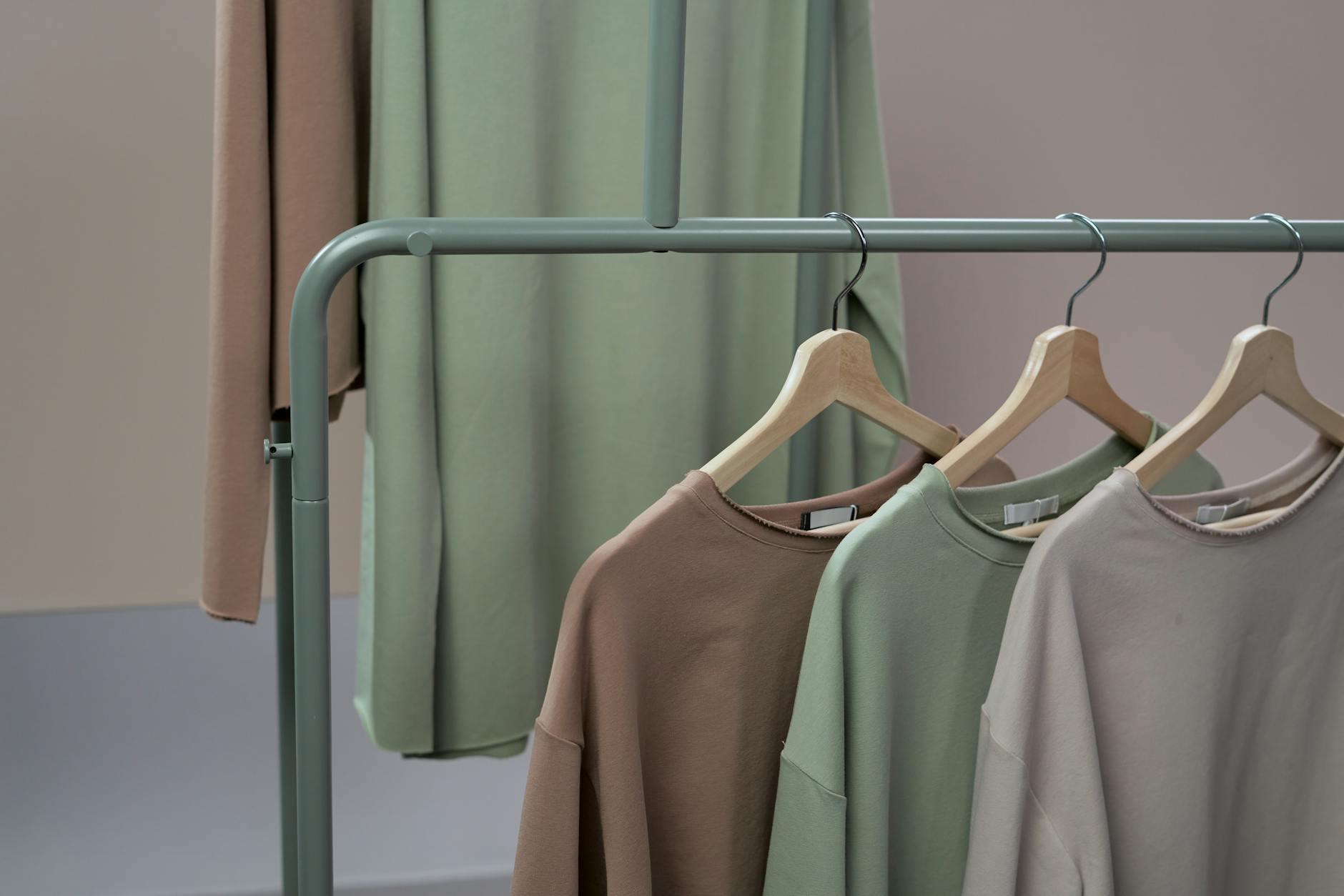
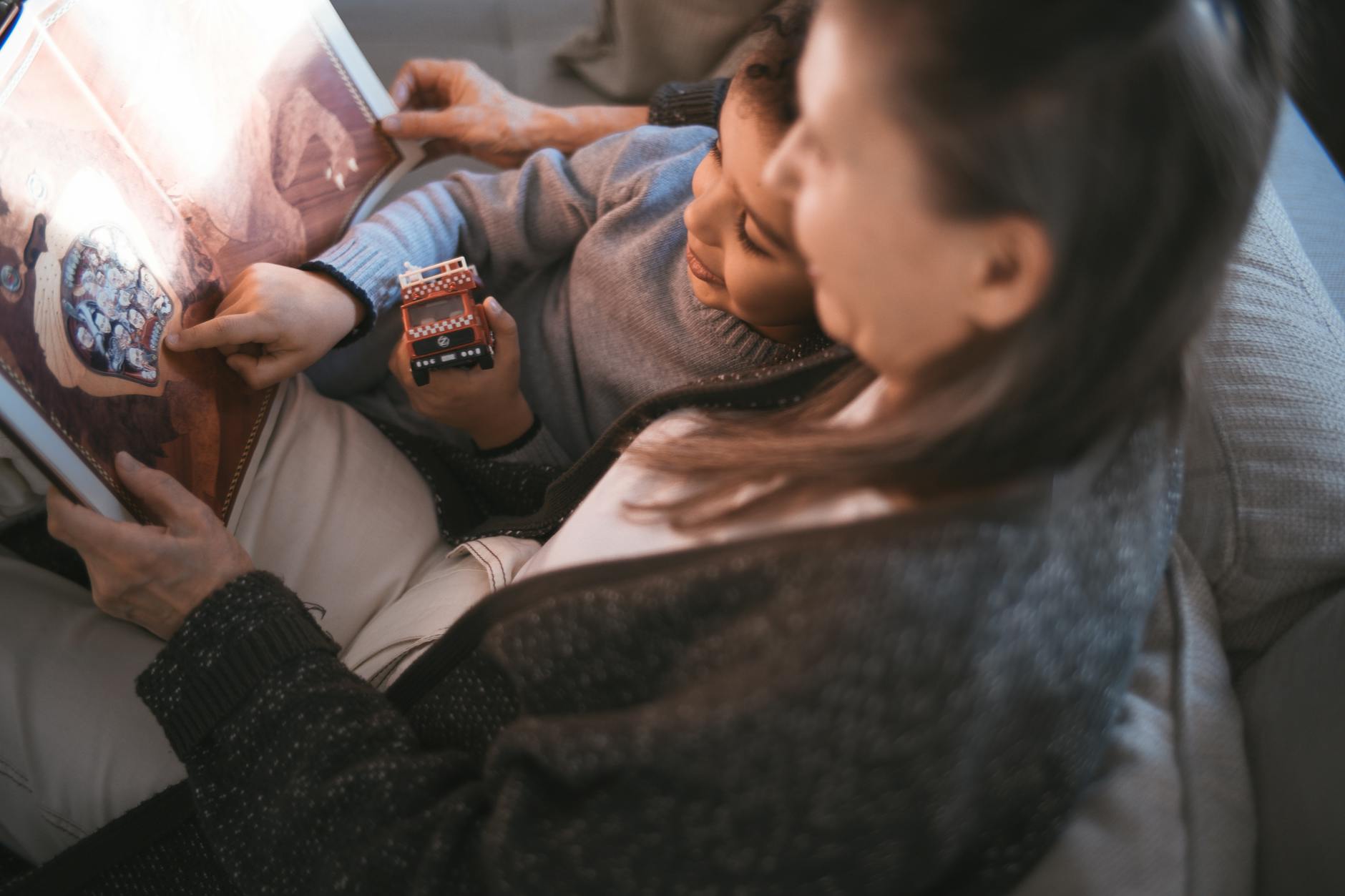

Why Organizing Your Wardrobe Simplifies Life in Australia
Wardrobe Decluttering Techniques
As someone navigating the demanding mix of work and family life in Sydney, I’ve found practical and efficient ways to manage wardrobe space. At home, the clothing landscape can become a battlefield with staple items like girls swimsuits, baby girl dresses, and sturdy baby clothes. Here's how I go about streamlining this process.
Sorting Essentials Efficiently
First, I recommend categorising clothing into what’s frequently worn and what’s just taking up space. It’s about finding those staples that withstand the wear and tear of our active lifestyles, be it at Royal National Park or a casual outing in Newtown. Think durable items that offer comfort and reliability over time.
Donating and Recycling Tips
Once sorted, consider donating clothes still in good condition to local charities. Around Surry Hills, there are several shops and initiatives that appreciate good-quality donations. You’re not just clearing space; you're also contributing to sustainable fashion practices.
Seasonal Clothing Storage
For those seasonal items, effective storage solutions prevent clutter. Utilise vacuum-sealed bags or stackable bins for off-season apparel. This keeps original spaces free for everyday use, aiding quick decision-making during our busy mornings.
These steps create an efficient wardrobe that reflects our appreciation for both function and style amidst hectic Sydney life. Emphasising practicality ensures that each piece holds its value, helping manage both your wardrobe and time effectively.
Streamlining Outfit Choices
Creating a Capsule Wardrobe
Embarking on the path to a capsule wardrobe might just be what Oliver needs to simplify the daily task of dressing himself and his kids. The concept isn't about eliminating style—it’s about curating versatile and durable pieces that seamlessly transition from work to leisure. Being from Sydney, Oliver might find his weekends adventuring on the hiking trails at the Royal National Park, so clothing selections should blend function with low-maintenance care. Opting for essentials like track pants allows for easy movement and weather adaptability without sacrificing practicality.
Selecting Versatile Pieces
For Oliver, focusing on items that multi-task is key. A well-chosen article of clothing works not only for the office but also fits into casual outings. The idea is to make every piece count, like transitioning kids pyjamas that are as comfortable for kids’ playdates as they are for sleep. Pieces in neutral colors not only make mixing and matching simple but also extend wearability across various settings.
Organizing Clothing by Function
To keep things streamlined, organise clothes by their use. This helps efficiently navigate the hustle of mornings, whether it involves a quick change before heading to a construction site or swapping out kids’ pj's for school gear. Baskets and labels can turn chaos into coherence, making finding the right outfit a matter of seconds. Utilizing this organisation, Oliver can spend more time with his family and less time sorting wardrobes.
Enhancing Daily Routines
Quick Outfit Planning
Incorporating quick outfit planning into your daily routine can be a game-changer, especially for tech-savvy professionals balancing work and leisure. Think of it like choosing a route for a weekend hike at the Royal National Park—having a plan makes for an effortless experience. Efficiently choosing your day's leggings or casual pieces can save you time and reduce morning stress.
Consider dedicating a small area in your wardrobe for go-to outfits that suit both professional meetings and casual outings. Highlight key items like versatile jackets or adaptable shapewear to streamline your choices. Pair these essentials with neutral colours for easy mixing and matching.
Maintaining a Clean Wardrobe
Keeping your wardrobe tidy doesn't have to be a herculean task. A periodic audit to remove unused clothes can help, but also consider a simple arrangement by style or function. This not only prevents clutter but also aids you in quickly accessing the pieces you actually wear.
Easy Clothing Care Tips
To ensure your clothes last longer and maintain their quality, adopt a few straightforward clothing care practices. For instance, washing similar fabrics together and using eco-friendly detergents can prolong their lifespan. Investing in quality hangers or storage bins from local outdoor gear shops like those in Surry Hills can further protect and organise your garments effectively. Organised, well-cared-for clothing means you're always ready for anything—from a boardroom meeting to a brunch in Newtown.
Maximizing Storage Space
Utilizing Closet Accessories
As someone who appreciates practicality, I've found that making the most of closet storage requires not just the right space, but also the right accessories. Hooks, bins, and shelf dividers can make a significant difference in how you store essentials like track pants women and other daily wear. By using adjustable shelving systems, you can create a customised setup that fits your needs perfectly.
Space-Saving Hacks
To optimise space, rolling clothes instead of folding them is a game changer, especially for smaller outfits like a baby jumper. Vacuum-sealed bags provide an excellent way to store off-season clothes, keeping them compact and fresh. Door-mounted shoe organisers can also be repurposed to hold small items, freeing up valuable drawer space.
Efficient Folding Techniques
Over time, I've learned that efficient folding can truly transform how you use your storage. The Marie Kondo method of folding garments so they stand upright in drawers is particularly effective. It not only saves space but also makes it easier to view your clothing options. Adding drawer dividers ensures everything has a place, reducing the clutter and enhancing the organisation of your closet.
By implementing these strategies, you'll find that maximising storage isn't just about fitting everything in but about having quick access to it when needed. This approach meets both your organisational preferences and your need for practical solutions.
Avoiding Common Wardrobe Mistakes
Wardrobe Overload
It's easy to find yourself with a wardrobe bursting at the seams, but trust me, less is more! Over-cluttering your wardrobe not only makes it difficult to find your favourite pieces but can also lead to unnecessary stress. Instead, focus on curating a collection of versatile clothing that effortlessly transitions between work and outdoor activities, like those relaxing hikes at the Royal National Park. This means investing in high-quality essentials rather than succumbing to fast fashion urges every weekend.
Ignoring Fabric Durability
One pitfall to avoid is overlooking fabric longevity. When you're out and about exploring Surry Hills' outdoor gear shops or chilling in Newtown's casual wear boutiques, take a moment to check fabric labels. Opt for durable materials like merino wool or organic cotton that can handle the urban commute and a spontaneous weekend getaway. Not only does this make your wardrobe last longer, but it also supports a more sustainable fashion approach—a win-win in my book!
Skipping Regular Updates
Lastly, neglecting regular updates can leave you stuck in a style rut. Incorporating simple checks each season ensures your wardrobe stays fresh and functional. Whether it's a pre-summer clear-out or a winter layering update, this practice helps in making sure each piece has clothing care tips catered to its maintenance. Take an afternoon to reassess, donate, and perhaps, indulge in a new key item that adds both style and utility. Happy wardrobe managing!